Maintenance
Why Paint Peels (and the Real Fix)

Owner, Catalyst Painting · Published August 25, 2026
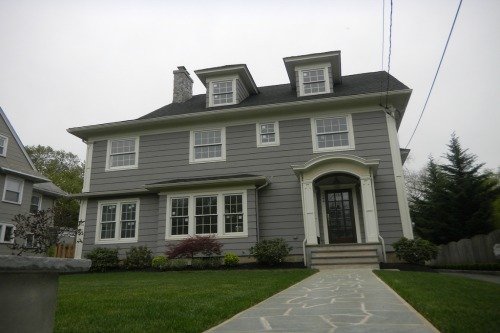
Peeling paint has a way of showing up in the worst spots first: under the gutters, along the windowsills, on the sunny south wall. Most homeowners treat it as a paint problem. It usually isn’t. Peeling is a symptom, and if you only treat the symptom, it comes back. Here’s what’s actually happening on Kansas City homes, and what a real fix looks like.
What actually makes paint peel?
Paint fails when the bond between the film and the surface breaks, and the great bond-breaker is moisture. Water sneaks in through failed caulk, hairline cracks, leaky gutters, or from inside the house as humidity pushing through the wall. Once it’s behind the paint, Kansas City winters do the rest: water freezes, expands, and physically pries the film off the surface. Add summer UV breaking down old paint from the outside, and the film loses the fight from both directions.
Why the last paint job matters so much
The second-biggest cause of peeling is the previous painter. Paint applied over dirty, chalky, glossy, or damp surfaces never bonds properly, and it lets go years early. This is why two neighboring houses painted the same summer can look so different by year five. One was washed and then left to dry out properly before anyone opened a can. The other was washed and painted the same afternoon, which seals damp siding under a brand new coat. Peeling that appears within a year or two of a paint job is almost always a prep failure, not bad luck.
Why painting over it makes things worse
New paint is only as attached as whatever it’s sitting on. Rolled over loose, flaking paint, the fresh coat looks fine for a season, then peels in sheets, taking your money with it. Worse, painting over a moisture problem seals water in, which feeds rot you can’t see. A bid worth taking seriously will tell you where the water is coming from and how the failed areas get handled before any color goes on. If nobody raises either one, you’re buying a fresh coat over the same problem.
The real fix, step by step
First, find and stop the water: cleaned gutters, repaired caulk, fixed flashing, sometimes a bathroom fan that’s been venting into a wall.
Second, wash the house, then let it dry. This is the step nobody puts on a bid and the one that decides how long your paint lasts. We’ll often powerwash on a Saturday and come back a day or two later to start prep, because siding that feels dry on the surface can still be holding water underneath.
Third, deal with the coating that actually failed. Well-bonded paint can stay, and we don’t sand an entire house for the sake of it. Where the film has let go, it gets taken back to something solid and the edges feathered so the repair doesn’t telegraph through the finish.
Fourth, repair what the moisture damaged, including any soft or rotted wood.
Fifth, prime the bare spots so the new paint has something to grip. Only then does color go on. That’s not the fast version. It’s the one that lasts seven to ten years instead of two.
When peeling means “repaint,” and when it doesn’t
A patch of peeling under one gutter is a local problem: fix the gutter, repair the spot, and the rest of the house may have years left. Peeling showing up on several walls, chalky residue on your hand when you touch the siding, caulk pulling away in ribbons: that’s a coating at the end of its life, and spot-fixing becomes throwing good money after bad. An honest assessment tells you which one you have. Timing matters here too. Kansas City gives you roughly ten good weeks of exterior painting weather at the end of summer, and peeling left open through a freeze-thaw winter is a much bigger repair come April.
Get an honest read on your peeling paint
That assessment is exactly what our free estimates are for. We’ll tell you plainly if it’s a $200 gutter fix or a real repaint, and if it’s the repaint, you’ll get the full prep treatment, Sherwin-Williams products, a 5-year written workmanship warranty, and no deposit. You pay nothing until the job is complete. Grab a time at catalystpainters.com/schedule, and stop paying for paint that was never going to stay on.
Quick answers
What causes paint to peel on a house?
Almost always moisture getting behind the paint film, helped along by poor prep on the previous paint job. Kansas City's freeze-thaw winters turn small failures into big ones fast, because water in a hairline crack expands as ice and pries the paint off.
Can I just paint over peeling paint?
No. New paint bonds to whatever it touches, and if that's loose old paint, the new coat peels right along with it. The failed areas have to come back to a sound surface and get primed, with the moisture source fixed first. Paint that is still well bonded can usually stay.
Does peeling paint mean the whole house needs repainting?
Not always. Isolated peeling near a gutter or windowsill often means a local moisture problem worth fixing on its own. Widespread peeling on many walls usually means the old coating is done and it's time for a full prep and repaint.
How long should a house dry after washing before it gets painted?
Give it time. We often wash on a Saturday and come back a day or two later to start prep, because siding that looks dry on the surface can still hold water underneath. Paint applied over damp wood fails early no matter how good the paint is.